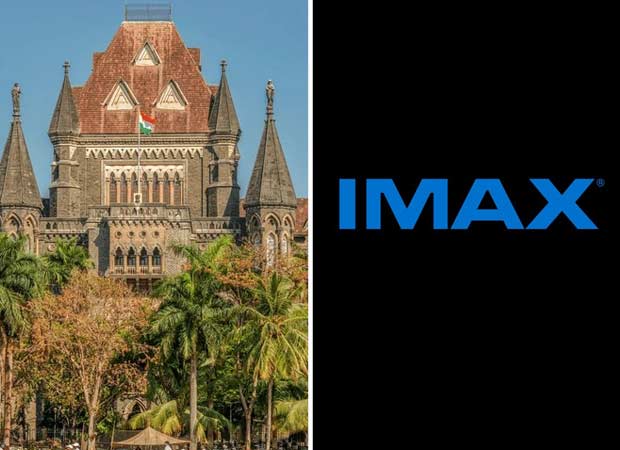
IMAX Corporation has secured a monumental legal victory in the Bombay High Court, successfully concluding a decades-long contract dispute with E-City Entertainment. This landmark ruling mandates the enforcement of arbitration awards now totaling over $28 million USD, including accumulated interest, marking a significant win for IMAX and setting a crucial precedent for the enforcement of foreign arbitration awards in India.
Key Details of the Landmark Ruling
* Unanimous Verdict: On December 30, 2025, the Bombay High Court delivered a comprehensive judgment in IMAX’s favour, addressing all issues in the protracted enforcement proceeding. * Executable Decrees: The Court explicitly ruled that the arbitration awards, originally issued in favour of IMAX between 2006 and 2008, “shall now be deemed to be the decrees of the court and executable.” * Eighteen-Year Pursuit: This decisive victory comes after IMAX relentlessly prosecuted the enforcement of these awards for nearly 18 years, demonstrating immense perseverance in the legal battle.
Background of the Contractual Dispute
The dispute's origins trace back to a September 2000 contract. Under this agreement, IMAX was to lease six advanced IMAX systems to E-City. E-City Entertainment, a former operator of popular cinema and entertainment brands Fun Cinemas and Fun Republic, is an affiliate of the prominent Essel Group, led by Subhash Chandra, and Zee Entertainment Enterprises Ltd.
E-City had committed to opening a minimum of six IMAX locations across India, a crucial aspect of the agreement. However, the company subsequently reneged on this commitment, leading directly to the initiation of arbitration proceedings that spiraled into this prolonged legal saga.
Court's Strong Stance and Rationale
The High Court's ruling was characterized by a firm rebuke of E-City’s delaying tactics. The Court noted, “E-City has managed to keep IMAX at bay for over two decades. The fruits of the foreign awards are being denied to IMAX by raising all kinds of pleas, in the fond hope that at least some might stick.”
The judgment underscored that neither the public policy of India nor the “pro-enforcement bias,” which guides the interpretation of provisions under Part II of the Arbitration and Conciliation Act, 1996, supports the frustration of legitimate foreign award enforcement based on such speculative pleas. This highlights the judiciary’s commitment to upholding the integrity of arbitration.
Additional Directives and Future Steps
In addition to enforcing the awards, the Court also imposed a cost of Rs. 5 lakhs on E-City, citing their "prolonged and speculative litigation approach." This amount is payable to IMAX within four weeks. Furthermore, the court has directed both parties to appear before the executing court on January 19, 2026, at 11:00 am, to ensure the prompt and efficient commencement of the execution process.
For IMAX, this order serves as a powerful affirmation that long-pending foreign arbitration awards will not remain unexecuted. It sends a clear and unequivocal message that accountability, even after decades of legal challenges, can and will be enforced through the judicial system, reinforcing faith in the effectiveness of arbitration and legal recourse in India.