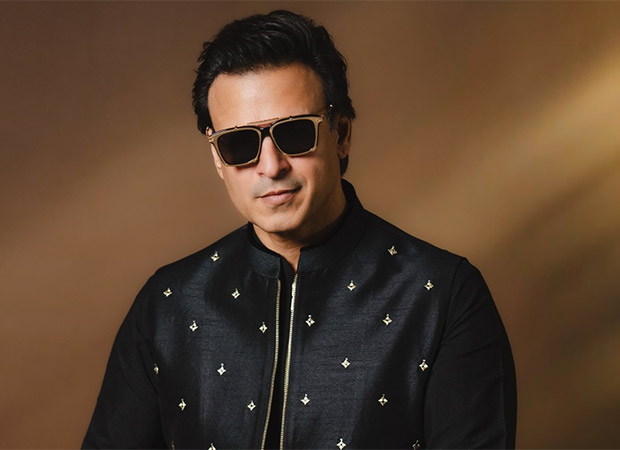
In a significant ruling, the Delhi High Court has granted interim relief to actor and entrepreneur Vivek Oberoi, issuing an injunction against the unauthorised use of his name, image, voice, and other aspects of his personality. This landmark decision highlights the growing legal recognition of personality and publicity rights, particularly in an era marked by advanced artificial intelligence and rampant online impersonation.
Oberoi had approached the court earlier this year, seeking protection from various entities exploiting his identity without consent across digital platforms and commercial products. The court acknowledged Oberoi's extensive career and public recognition, noting that his name and likeness carry substantial goodwill and reputation deserving of legal protection.
The Rise of Identity Misuse in the Digital Age
Vivek Oberoi's lawsuit underscores a critical challenge faced by public figures today: the pervasive misuse of their identities through fake social media accounts, AI-generated or morphed visuals, and unauthorised commercial ventures. This digital exploitation not only misleads the public but can also cause irreparable damage to an individual's professional standing and personal reputation.
Delhi High Court's Key Directives
The interim order issued by Justice Tushar Rao Gedela prohibits any unauthorised commercial or personal use of Oberoi’s identity. This comprehensive injunction covers:
• His name, image, voice, likeness, and signature.
• Application across various technological mediums, including AI tools, deepfake technology, and face-morphing applications.
• A mandate for major online intermediaries like YouTube, Meta Platforms, and X Corp to remove all infringing content within 72 hours of receiving the order.
• A ban on the creation and sale of unauthorised merchandise, such as posters or T-shirts, bearing Oberoi’s personality attributes for commercial gain.
The judge stressed that delaying relief would lead to irreparable harm to Oberoi's reputation, affirming that a public figure's identity cannot be commodified without explicit consent.
Allegations Detail Widespread Exploitation
Oberoi's petition provided extensive details of the misuse, including:
• Numerous fake Instagram accounts impersonating him and misusing his photographs.
• Sharing of deepfake or altered content, described as misleading and inappropriate in the lawsuit.
• Unauthorised merchandise and online listings commercially exploiting his persona.
These activities, the lawsuit argued, caused "incalculable loss" to his goodwill and reputation, potentially misleading the public and devaluing his professional standing as both an actor and a businessman.
This ruling sets a crucial precedent for safeguarding the personality rights of public figures in India, offering a robust legal framework to combat digital identity theft and commercial exploitation in the age of advanced AI.