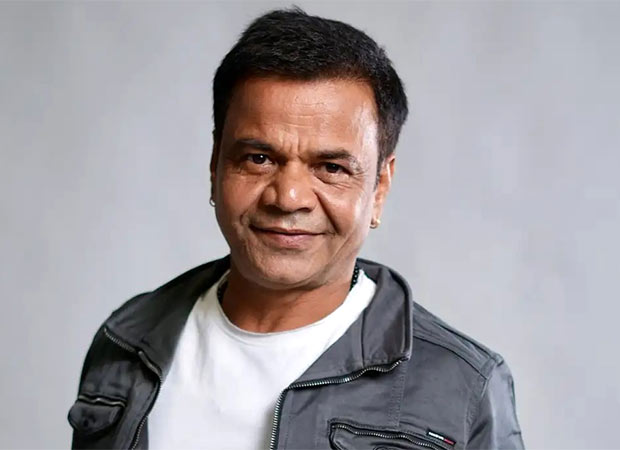
Bollywood actor Rajpal Yadav is set to surrender to Tihar Jail authorities today after the Delhi High Court dismissed his last attempt to postpone his surrender in a long-running cheque bounce case. The actor, who was present in court, had sought additional time to address outstanding payments owed to the complainant, Murli Projects Private Limited. However, the bench, led by Justice Swarana Kanta Sharma, refused to grant any further extensions, emphasizing that Yadav would only be heard after surrendering.
Background of the Cheque Bounce Case Rajpal Yadav's sentence stems from a May 2024 conviction in a cheque bounce case, where a sessions court sentenced him to six months' imprisonment. The High Court had previously suspended this sentence on the assurance that Yadav would pursue a settlement with the complainant. Unfortunately, this arrangement failed, with Yadav missing multiple deadlines to pay the agreed-upon dues. The court noted his previous failures to rectify errors or make significant progress toward settling the matter.
Delhi High Court's Firm Decision
• Refusal of Extension: The court declined to grant additional time, highlighting that Yadav had previously failed to surrender on Wednesday as directed.
• No Further Leniency: The bench emphasized that previous leniency had been extended, and Yadav had not fulfilled assurances given to the court.
• Payment Plea Rejected: Despite his senior advocate informing the court of an immediate payment of Rs 25 lakhs and a tentative repayment schedule, the plea was not considered, with the court reiterating that Yadav must first surrender.
The Path Forward for Rajpal Yadav Following the refusal of his latest plea, Yadav’s counsel confirmed that the actor will surrender at Tihar Jail today. Once surrendered, he can then seek further relief or file applications in relation to his case. The High Court’s ruling clearly illustrates the judiciary’s limited tolerance for repeated non-compliance with court orders, particularly in financial disputes under the Negotiable Instruments Act.