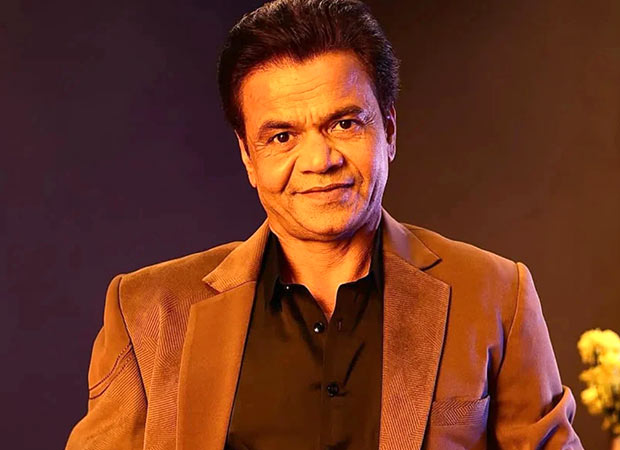
Bollywood actor Rajpal Yadav finds himself once again in legal turmoil as the Delhi High Court has reserved its verdict in a significant cheque bounce case. This high-profile dispute, initiated by a private company, has reached a critical juncture, with the court expressing visible dissatisfaction over the actor's wavering stance on clearing his substantial dues.
Court's Growing Dissatisfaction with Rajpal Yadav
During the recent proceedings, the Delhi High Court highlighted its frustration with Rajpal Yadav's inconsistent approach to the outstanding payment. Key points of the court's observation include:
• The judge questioned the ongoing arguments if the actor was genuinely prepared to settle the amount.
• A request from Yadav for an additional 30 days to arrange Rs. 6 crores was explicitly denied, with the court making it clear that no further delays would be tolerated.
• It was noted that multiple assurances given by Yadav to resolve the financial dispute, even after referrals to mediation, remained unfulfilled.
A History of Unfulfilled Pledges and Legal Challenges The current legal challenge is part of a longer saga that began in 2024. At that time, a sessions court had found Yadav guilty in the cheque bounce matter and sentenced him to six months in jail. The High Court had subsequently paused his sentence, predicated on his commitment to financially resolve the dispute.
However, the situation escalated due to persistent non-compliance:
• Yadav reportedly failed to deposit several key amounts he had promised, including a significant sum he proposed to pay in instalments.
• By early 2026, the court adopted a stricter stance, directing him to surrender due to his failure to adhere to court orders. He remained in custody until he secured temporary relief after depositing ₹1.5 crore with the complainant.
Latest Hearing: Unresolved Dues and Settlement Discussions In the latest hearing, the legal representative for the complainant company strongly argued that serving a jail sentence does not absolve the responsibility to repay the pending amount. It was pointed out that a substantial portion of the agreed-upon money, reportedly around Rs. 7.75 crores, still remains unpaid even after earlier payments.
The court explored the possibility of a one-time settlement, suggesting a reduced figure of Rs. 6 crores. The complainant indicated openness to this proposal, provided the amount was paid promptly. Rajpal Yadav, appearing via video conference, stated his readiness to follow court directions regarding payment. He also claimed to have suffered significant financial losses and mentioned selling multiple properties to meet his obligations.
Despite these claims, the court maintained its firm position, declining to grant any further time for payment. With both parties unable to reach a final agreement during the hearing, the Delhi High Court has now reserved its judgment, marking a pivotal moment in this protracted legal battle.