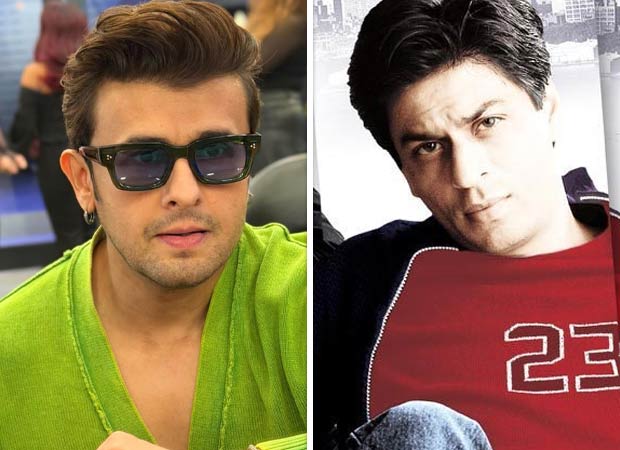
The Indian Singers And Musicians Rights Association (ISAMRA) recently marked a monumental achievement by distributing a staggering Rs. 100 crore in royalties to 26,000 singers and musicians. This historic moment signifies a profound shift in recognizing the invaluable contributions of artists to the music industry. Bollywood Hungama secured exclusive insights from legendary figures Sonu Nigam and Anup Jalota, alongside ISAMRA founder and MD, Sanjay Tandon, who spearheaded this remarkable journey.
A Victory for Artists' Rights
Sonu Nigam expressed his profound sentiment, calling it "a quiet victory, not loud, not dramatic, but deeply meaningful." For years, artists' voices created immense value, yet their rightful share often remained elusive. This distribution represents a crucial correction, a moment where dignity returns to every singer who pours their soul into their craft. Anup Jalota echoed this emotion, highlighting it as "a very emotional moment" and a long-awaited acknowledgment of singers' integral role in Indian music, emphasizing respect and dignity beyond mere financial recognition.
The Journey: From Rs. 51,000 to Rs. 100 Crore
ISAMRA's journey began modestly in June 2024 with its first royalty distribution of Rs. 51,000 for the iconic song 'Lag Jaa Gale'. Sanjay Tandon recounted this foundational step:
• Proof of Concept: The initial Rs. 51,000 proved that performers' rights could transition from theoretical concepts to tangible reality.
• Building from Scratch: The path to Rs. 100 crore involved overcoming significant challenges, including a lack of existing data, structured systems, and precedents.
• Restoring Faith: Beyond the financial figures, this achievement is about rebuilding trust among singers and musicians, assuring them that their contribution holds value far beyond applause.
Addressing the AI Factor
One of the most pressing contemporary challenges for artists is the rise of Artificial Intelligence. Sonu Nigam shared his concerns:
• Dual Nature: AI is both exciting for its enhancement potential and concerning for its ability to blur artist identity.
• Personal Identity: A voice is deeply personal, carrying emotion, training, and lived experience, making replication without consent a serious ethical and legal issue.
• Path Forward: Awareness, robust legal frameworks, and organizations like ISAMRA are vital to protect performers. Consent and fair compensation must be non-negotiable principles, ensuring technology supports creativity rather than exploiting it.
Sanjay Tandon reinforced this, stating that AI introduces both efficiency and risk, with ownership being the biggest challenge. ISAMRA is actively developing frameworks to ensure any AI-driven voice usage is governed by clear consent and equitable compensation, upholding the principle that if a voice generates value, the artist must receive it.
The Way Forward for Artists
ISAMRA's mission extends beyond this milestone. Anup Jalota highlighted ongoing challenges and the future vision:
• Beyond Recording Fees: Traditionally, singers were paid for recording but not for the enduring life of a song, which continues to generate value across platforms and generations. This value must flow back to the singer.
• Industry Evolution: The industry must evolve to make royalties a standard practice, with singers fully understanding their rights. This change has begun and needs to become the norm.
Sanjay Tandon outlined ISAMRA's future priorities:
• Scale and Inclusivity: Ensuring every performer, from leading voices to session musicians, is part of this ecosystem.
• International Partnerships: Strengthening global collaborations.
• Seamless Licensing: Building a one-window licensing system for efficiency.
• Artist Education: Continuously educating artists about their rights.
A Musical Reflection
On a lighter note, Sonu Nigam reflected on this momentous occasion, sharing that the song that came to his mind was 'Kal Ho Naa Ho'. He explained, "There is a feeling in that song about valuing the present, about acknowledging what truly matters. This moment feels like that. Something that always belonged to singers is finally coming back to them. It’s emotional, but also very grounding." This sentiment perfectly encapsulates the significance of ISAMRA's achievement, marking a new, more equitable chapter for Indian singers and musicians.